.png)
.png)

Smooth skin rarely comes from a single product or overnight fix. Daily habits, thoughtful skincare, and healthy lifestyle choices gradually improve skin texture over time. Small, consistent changes often produce better results than following every new trend. Understanding what your skin needs helps you avoid frustration and unnecessary spending. A routine that fits your skin and your lifestyle gives you the best chance of enjoying softer, healthier-looking skin.
Smooth skin goes beyond appearance because it often reflects how well your skin functions every day. A healthy skin surface holds moisture more effectively, feels more comfortable, and provides better protection against everyday irritants. When your skin stays balanced, skincare products also absorb more evenly and makeup tends to apply more smoothly. While everyone naturally has pores and some texture, reducing unnecessary roughness can improve both your skin's comfort and your confidence. Focusing on healthy skin instead of chasing perfection helps you build habits that deliver lasting results.
Getting smoother skin starts with understanding what actually influences its texture every day. Many people focus on quick fixes, yet lasting improvements usually come from steady habits and informed skincare choices. Knowing the factors behind roughness makes it easier to build a routine that supports healthier, softer skin over time.
Rough or uneven skin usually develops from several factors instead of one single cause. Learning what affects your skin makes it easier to choose products and habits that truly help. Once you understand the reasons behind rough texture, you can build a routine that supports healthier skin instead of guessing what might work.
Your skin naturally replaces old cells with new ones every few weeks. Sometimes those old cells stay on the surface longer than they should, leaving your skin feeling rough or looking dull. This buildup can also make pores appear larger and prevent skincare products from absorbing as well as expected. Gentle exfoliation removes those extra cells and reveals fresher skin underneath. Regular care helps your complexion feel softer without causing unnecessary irritation. Healthy skin renewal happens naturally, but the right routine supports the process.
The skin barrier is your body's natural shield against moisture loss and outside irritants. When this protective layer becomes damaged, your skin often feels dry, rough, or unusually sensitive. Overwashing, harsh products, and too much exfoliation can weaken this barrier over time. Moisturizers containing ceramides, glycerin, or squalane help reinforce your skin's natural defenses. Daily sunscreen also protects the barrier from damage caused by ultraviolet rays. A healthy barrier creates the foundation for smoother skin because it holds moisture more effectively.
An effective skincare routine does not need countless products or complicated steps. A few well-chosen essentials often produce better results than crowded bathroom shelves. Building simple habits makes it easier to stay consistent, which is exactly what smooth skin needs.
Cleansing removes dirt, excess oil, sunscreen, and other impurities that collect throughout the day. A gentle cleanser keeps your skin clean without stripping away its natural moisture. Harsh soaps may leave your face feeling tight, which often signals that your skin barrier needs more support. Use lukewarm water because hot water can increase dryness and irritation. Cleanse twice daily unless your skincare professional recommends a different routine. Healthy skin starts with a clean surface that feels comfortable instead of dry.
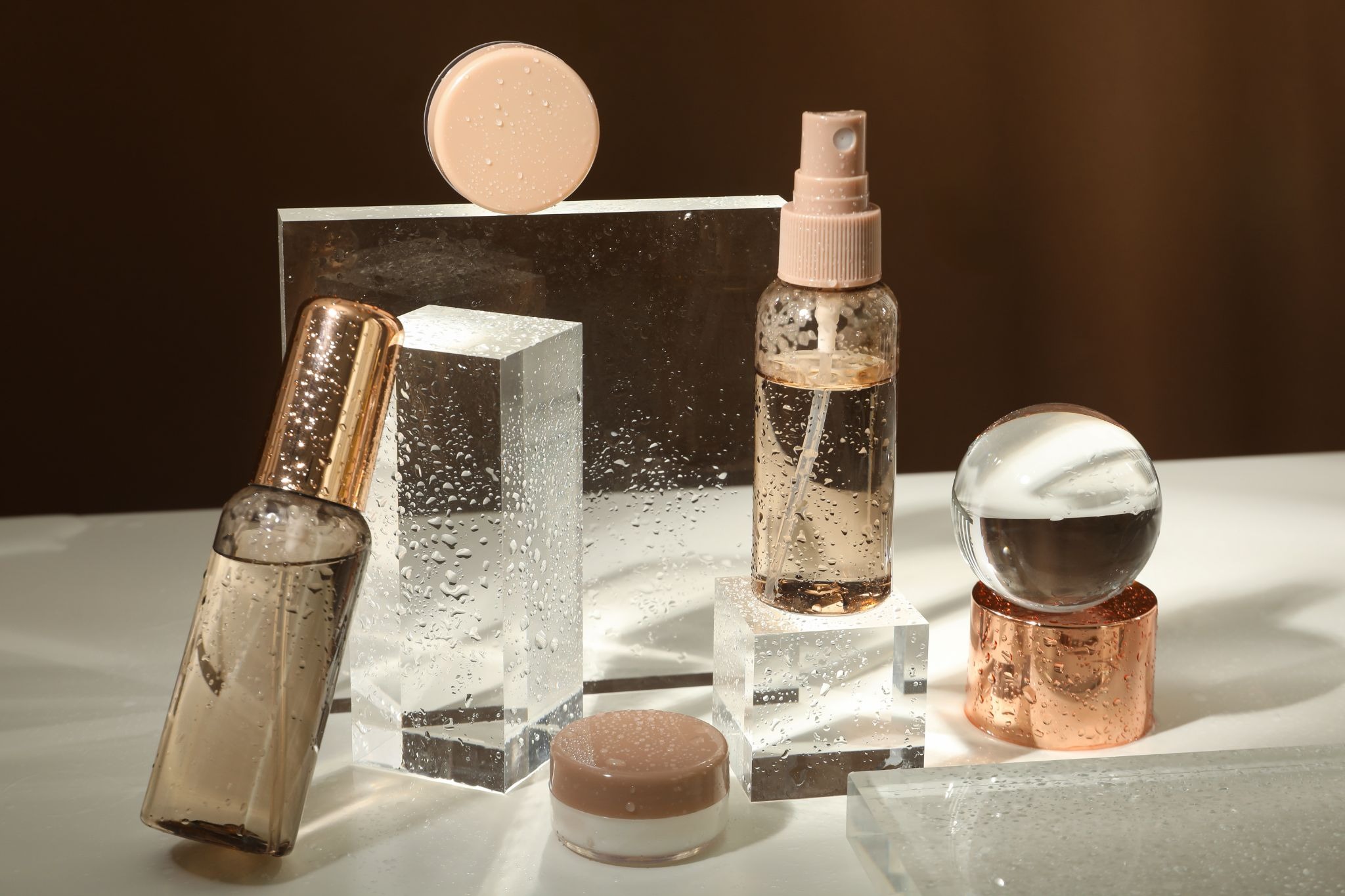
Many people believe oily skin does not need moisturizer, but that common myth often leads to more problems. Skin that lacks moisture may respond by producing even more oil. Lightweight moisturizers with ingredients like hyaluronic acid or niacinamide help balance hydration without feeling heavy. Richer creams work better for dry skin that needs extra nourishment. Apply moisturizer while your skin remains slightly damp after cleansing for better hydration. Balanced moisture helps your skin feel smoother and look healthier throughout the day.
Sun exposure slowly changes your skin even when you do not notice immediate damage. Ultraviolet rays break down collagen and contribute to rough texture, fine lines, and uneven pigmentation. Broad-spectrum sunscreen protects against both UVA and UVB rays during everyday activities. Apply it every morning after your moisturizer, even when the weather looks cloudy. Reapply if you spend extended time outdoors or after sweating. Daily sun protection remains one of the simplest ways to preserve smoother-looking skin.
Exfoliation helps remove surface buildup, but more is not always better. Gentle exfoliation improves texture while allowing your skin to recover between treatments. Finding the right balance keeps your complexion looking brighter without creating unnecessary sensitivity.
Physical exfoliants polish away dead skin cells with fine particles, while chemical exfoliants dissolve them using gentle acids. Lactic acid works well for many people with dry or sensitive skin because it also adds hydration. Glycolic acid encourages faster skin renewal, while salicylic acid reaches deeper into oily pores. Each ingredient serves a different purpose, so matching the product to your skin type produces better results. Start slowly instead of using several exfoliating products at once. Your skin will tell you when it needs more time between treatments.
Scrubbing harder does not make your skin smoother. Too much exfoliation often damages the skin barrier and leaves your face feeling red or irritated. Many people mistake that irritation for progress, even though it usually signals the opposite. Exfoliating one to three times each week gives most skin enough time to recover naturally. Reduce the frequency if your skin begins to sting or peel. Gentle consistency almost always produces better long-term results than aggressive routines.
Freshly exfoliated skin benefits from calming, hydrating products that restore moisture. Ingredients such as peptides, ceramides, and hyaluronic acid help support the recovery process. Applying moisturizer immediately afterward helps reduce dryness while keeping your skin comfortable. Skip additional strong active ingredients if your skin feels sensitive that day. Sunscreen also becomes even more important because newly exfoliated skin reacts more easily to sunlight. Good aftercare helps you enjoy smoother skin without unnecessary setbacks.
Skincare products work best when they support a healthy lifestyle instead of replacing it. The food you eat, the water you drink, and the sleep you get all influence your skin's appearance. Healthy choices strengthen your skincare routine because they give your skin the resources it needs to repair itself.
Water helps your skin maintain its natural flexibility and comfort. Skin that lacks hydration often feels rough and looks tired, even with a good skincare routine. Drinking enough fluids supports many natural processes that keep your skin functioning properly. Fruits and vegetables with high water content also contribute to daily hydration. While drinking more water will not erase wrinkles, it helps your skin maintain a healthier appearance. Pair hydration with moisturizing products for the best overall results.

Your skin benefits from a balanced diet that includes vitamins, minerals, healthy fats, and protein. Colorful fruits and vegetables provide antioxidants that help defend against everyday environmental stress. Fatty fish, walnuts, flaxseeds, and olive oil contain nutrients that support healthy skin cells. Lean proteins also supply the building blocks your body uses to repair skin. Highly processed foods may contribute to inflammation for some people, although individual responses vary. A balanced eating pattern supports smoother skin more effectively than relying on supplements alone.
Your body performs much of its repair work while you sleep. Poor sleep may leave your skin looking dull, while ongoing stress can contribute to breakouts and increased sensitivity. Simple habits such as regular exercise, relaxing hobbies, and consistent sleep schedules help reduce daily stress. Taking care of your overall well-being also benefits your skin over time. Healthy skin reflects many different aspects of your lifestyle, not just your skincare routine. Small improvements in daily habits often become visible after several weeks.
Some skincare ingredients target concerns that basic cleansers and moisturizers cannot fully address. Choosing products thoughtfully produces better results than using everything at once. A steady routine gives active ingredients enough time to improve your skin without creating unnecessary irritation.
Retinol encourages faster skin cell turnover and supports smoother-looking skin with continued use. It may also improve uneven texture and soften the appearance of fine lines. Begin with a low-strength formula once or twice each week, then gradually increase use. Applying moisturizer after retinol helps reduce dryness during the adjustment period. Results usually become noticeable after several weeks instead of a few days. Patience gives your skin time to adapt comfortably.
Vitamin C helps improve dull-looking skin while supporting a more even complexion. It also provides antioxidant protection against pollution and everyday environmental stress. Many people use it in the morning before applying moisturizer and sunscreen. Store the product away from direct sunlight to help preserve its stability. Consistent use often produces better results than switching between different brightening products. Healthy-looking skin develops through regular care instead of occasional treatments.
Hydrating serums complement almost every skincare routine because moisture supports healthy skin function. Hyaluronic acid attracts water to the skin, while niacinamide helps strengthen the skin barrier and reduce visible redness. These ingredients work well alongside many other products when introduced gradually. Hydrated skin usually feels softer and looks smoother throughout the day. Choose fragrance-free formulas if your skin reacts easily to added scents. Simple combinations often perform better than complicated routines.
Daily skincare creates the foundation for smoother skin, but professional facial treatments can help improve concerns that home products cannot fully address. These treatments target uneven texture, congestion, and dullness while supporting healthier skin over time. Working with a qualified skincare professional also helps you choose treatments that match your skin's needs and long-term goals.
Professional facials deeply cleanse the skin, remove impurities, and replenish lost moisture to improve overall texture. Treatments such as HydraFacials, enzyme facials, chemical peels, and dermaplaning gently exfoliate the skin while encouraging healthy cell turnover. Depending on your skin concerns, your provider may also recommend customized facials that target dryness, clogged pores, or uneven skin tone. Regular facial treatments can improve product absorption, leaving your at-home skincare routine more effective between appointments. Combining professional treatments with consistent cleansing, moisturizing, and daily sunscreen often delivers longer-lasting results. Following a personalized treatment plan helps maintain smoother, healthier-looking skin throughout the year.
Healthy skin develops through steady habits instead of quick fixes. Some common mistakes can delay results even when you use quality products. Recognizing those habits helps you make better decisions every day.
Popular skincare trends appear almost every week, but they rarely suit every skin type. Trying too many products at once makes it difficult to know what actually works. Your skin responds better to thoughtful routines based on its individual needs. Give each new product enough time before deciding whether it deserves a place in your routine. Reliable skincare habits usually outperform short-lived trends. Consistency remains one of the strongest predictors of long-term success.
Picking at blemishes often causes more harm than the breakout itself. It increases the risk of irritation, scarring, and uneven skin tone. Touching your face throughout the day may also transfer dirt and bacteria. Treat acne with appropriate skincare products instead of squeezing blemishes. Gentle care gives your skin a better opportunity to heal naturally. Patience almost always produces better results than picking.
Many people expect dramatic improvements within a few days. Most skincare products need at least four to eight weeks before meaningful changes become visible. Switching routines too quickly often interrupts that progress. Taking occasional photos helps you notice gradual improvements more accurately. Trust the process, and make adjustments only when necessary. Consistency usually delivers results that rushed routines cannot.
Healthy skin reflects the choices you repeat every day, not the products you buy once. A simple routine, balanced lifestyle, and realistic expectations can gradually improve your skin's texture and appearance. Give your skin time to respond, stay consistent with habits that work, and adjust your routine as your needs change. The sooner you begin caring for your skin with purpose, the sooner you'll notice lasting improvements that help you look and feel your best.
Every skincare decision shapes your results over time. Explore the Naples Laser & Skin Aesthetics blog for expert-backed advice, treatment insights, and everyday tips designed to support healthier-looking skin.
%402x.svg)